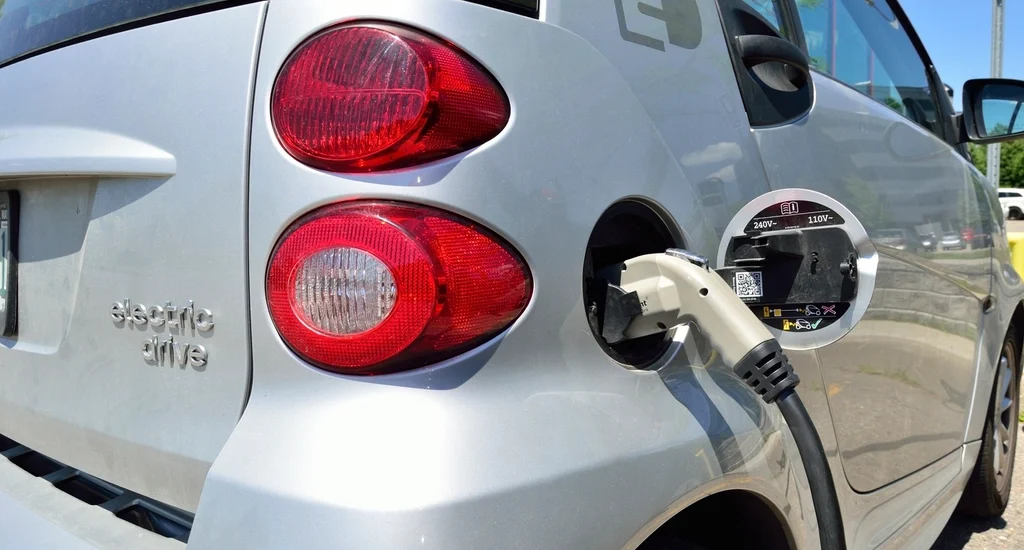
A long drive in an electric car is very doable. It just rewards a different kind of planning: short, frequent stops and a backup charger for every leg.
Road notes
- DC fast chargers are what make long trips practical; Level 2 chargers are better for overnight stops.
- Charging is usually fastest at a low battery level and slows sharply above about 80%, so short, frequent stops save time.
- Know which connector your car uses and whether you need an adapter for the networks on your route.
- Cold weather, high speeds, hills and roof boxes can cut range noticeably; plan with a buffer.
Driving an EV across the country used to be an adventure in itself. Charging networks have grown a lot, and with a bit of planning, an electric road trip now feels much like a regular one, with a few more coffee breaks.
Charging speeds, simplified
| Type | Where you’ll find it | What it’s good for |
|---|---|---|
| Level 1 (standard outlet) | Anywhere with a plug | Emergencies only; very slow |
| Level 2 | Hotels, parks, shopping centers | Overnight or long stops |
| DC fast charging | Highway corridors, travel centers | Road trip stops of 20 to 40 minutes |
Actual speed depends on your car, the charger, the battery’s temperature and how full it is.
Why 80% is the magic number
Most EVs charge quickly when the battery is low and slow down a lot as it fills, especially above about 80%. On a road trip it’s usually faster to stop more often and leave at around 80% than to wait for 100%. Many cars precondition the battery as you navigate to a fast charger, which helps it charge faster; use the car’s built-in navigation to get that benefit.
Connectors and networks
Most non-Tesla EVs sold in recent years use the CCS1 connector for fast charging, while Teslas use the North American Charging Standard (NACS), now standardized as SAE J3400. Many automakers are moving to NACS and have arranged access to Tesla’s Supercharger network, sometimes with an adapter. Before the trip:
- Check which networks your car can use, and whether you need an adapter.
- Download the apps for those networks and set up payment in advance.
- Use a crowd-sourced map, such as PlugShare, to read recent reviews of each charger.
Planning the legs
- Plan a backup charger for every stop, in case one is busy or broken.
- Keep a buffer, arriving with 10 to 20% or more, especially in remote areas.
- Expect range to drop in cold weather, at high speeds, in the mountains and with roof racks.
- Stay near Level 2 overnight when you can, and start each day fully charged.
Road-tested tip
Combine charging with things you’d do anyway: lunch, a stretch, a short walk. A 25-minute fast-charging stop feels much shorter when it’s also your meal break.
Charging etiquette
Move your car once it’s charged, don’t park in charging spaces if you’re not charging, and report broken chargers in the app so the next driver knows.
Long legs between chargers are also long hours behind the wheel; see our guide to drowsy driving and long days. Renting an EV for the trip? Check the rental terms first with our rental car guide.
Questions from the road
Q: Can my non-Tesla EV use Tesla Superchargers?
A: Many other brands have gained access to much of the Supercharger network, sometimes with an adapter. Check your automaker’s guidance and the charging app before relying on it.
Q: How much buffer should I keep?
A: Many EV drivers aim to arrive at chargers with at least 10 to 20% battery, and more in winter or on remote stretches with few chargers.
Q: Can I charge at my hotel?
A: Many hotels have Level 2 chargers, which can refill much of a battery overnight. Confirm when you book, since chargers may be limited or reserved.
Road rules, fees, closures and border requirements change. Check with the state transportation department, park, rental company or border agency before you travel. This guide is general information.