Most road trip breakdowns start as something small you could have spotted in the driveway. Here’s the checklist, in the order we actually do it.
Road notes
- Set tire pressure to the number on the sticker inside the driver’s door, not the maximum printed on the tire, and check it when the tires are cold.
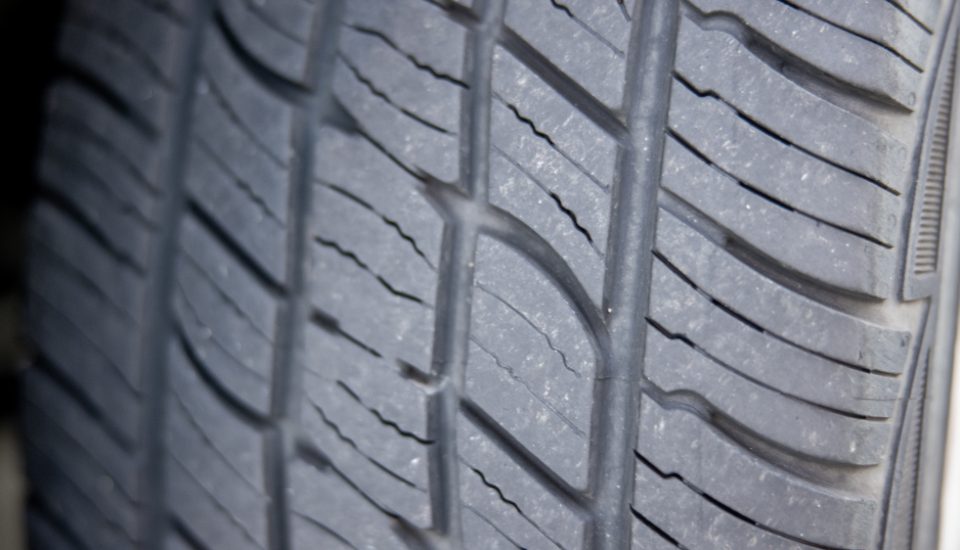
- Tread below 2/32 of an inch is worn out; for wet or snowy routes, you want much more than that.
- Look up your VIN on NHTSA’s recall site and get any open recall fixed before you leave.
- Check that the spare, jack and lug wrench are actually there and usable, or that you know how your tire repair kit works.
Nobody wants to spend the first evening of vacation in a tire shop in a town they can’t pronounce. A careful 20-minute check a few days before you leave gives you time to fix anything you find. Do it with the car cold and parked on level ground.
1. Tires first
Tires cause more road trip headaches than anything else, and they’re the easiest thing to check.
- Pressure: use the figure on the placard inside the driver’s door jamb, not the maximum printed on the sidewall. Check when the tires are cold, and don’t forget the spare if it’s a full-size one.
- Tread: the common legal minimum is 2/32 of an inch. For rain, snow or mountain driving, more tread matters a lot; many tire makers suggest replacing tires well before they reach the minimum.
- Damage: look for bulges, cuts, nails and uneven wear, which can point to alignment or suspension problems.
2. Fluids and wipers
| Item | What to look for |
|---|---|
| Engine oil | Level between the marks on the dipstick, or the car’s oil-life reading |
| Coolant | Level between the marks in the overflow tank; never open a hot radiator |
| Brake fluid | Level at or near the full mark; a sudden drop needs a mechanic |
| Washer fluid | Full, with a winter mix if you’re heading into freezing weather |
| Wiper blades | No streaking or chattering; they’re cheap to replace |
3. Lights, brakes and the dashboard
Walk around the car with someone pressing the brakes and switching through the turn signals and headlights. Any warning light on the dashboard deserves an explanation before a long drive, and so do brakes that squeal, grind or pull to one side.
4. Open recalls
Enter your 17-digit VIN on NHTSA’s recall lookup at nhtsa.gov/recalls. Recall repairs are free at a dealer, but parts can take time to arrive, so check a week or two ahead.
Road-tested tip
Take a photo of your tire pressure placard and your VIN with your phone. Both come in handy at gas stations, repair shops and rental counters.
5. The just-in-case kit
- Spare tire, jack and lug wrench, or the sealant kit, with the locking wheel-nut key if you have one.
- Phone charger and a printed list of numbers, including your roadside assistance provider.
- Water, snacks, a flashlight and a first aid kit.
- Seasonal extras: an ice scraper and warm layers in winter, sun shades and extra water in summer.
When to hand it to a mechanic
If anything on the list worries you, or the car is due for service, book an inspection before the trip rather than during it. Ask specifically about brakes, belts, hoses, the battery and the cooling system, especially before mountain or desert driving.
A well-prepared car makes the fuel budget more predictable too. And if something does go wrong on the way, our guide to roadside breakdowns covers what to do.
Questions from the road
Q: How do I check tread depth without a gauge?
A: Put a penny into the tread with Lincoln’s head upside down. If you can see the top of his head, the tread is at or below 2/32 of an inch and the tire needs replacing. A quarter works the same way for a 4/32 check.
Q: Should I get an oil change before the trip?
A: If you’ll pass the interval in your owner’s manual during the trip, yes. Otherwise, just check the level on the dipstick or your car’s oil-life display.
Q: What if my car has no spare tire?
A: Many newer cars come with a sealant-and-compressor kit instead. Learn how it works before you need it, and remember it won’t fix a damaged sidewall, so know your roadside assistance number too.
Road rules, fees, closures and border requirements change. Check with the state transportation department, park, rental company or border agency before you travel. This guide is general information.