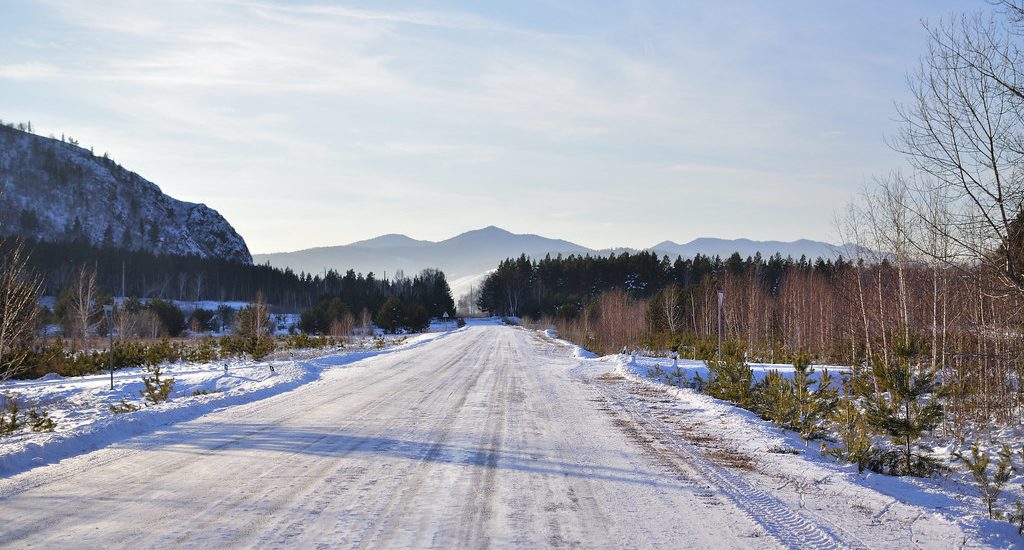
Snow on a mountain pass can turn a scenic drive into a closed road, a chain checkpoint or worse. The rules are state-specific, and they’re enforced.
Road notes
- Mountain states have their own traction and chain rules; check the state DOT or 511 service before every winter drive.
- Colorado’s Traction Law applies to the I-70 mountain corridor from September 1 to May 31 and requires adequate tires with at least 3/16 of an inch of tread, or chains or another traction device.
- California uses chain control levels, R1 to R3; at R3, even four-wheel-drive vehicles need chains.
- Many rental contracts restrict the use of chains, so check before you book a winter trip.
Driving into the Rockies or the Sierra Nevada in winter is unforgettable when the roads are clear. When a storm comes through, though, passes can go from wet to icy in minutes, and states set strict rules for who can keep driving. Here’s how to prepare.
Check conditions before every leg
Every state has a road conditions service, usually reached by dialing 511 or on the state DOT’s website or app. Check before you leave and again before each pass. Look for:
- chain or traction law alerts
- closures and estimated reopening times
- avalanche control delays
- webcams, which show actual conditions
Colorado: Traction Law and Chain Law
On the I-70 mountain corridor between Dotsero and Morrison, Colorado’s Traction Law applies every year from September 1 to May 31, and the state can activate it on other highways during storms. Passenger vehicles need tires with at least 3/16 of an inch of tread that are winter, all-weather or mud-and-snow rated, and four-wheel and all-wheel drive vehicles must meet tread rules as well; otherwise you need chains or an approved alternative traction device. In severe conditions, the Passenger Vehicle Chain Law can require chains or an alternative device on all passenger vehicles. Check CDOT’s current guidance, because details have changed in recent seasons.
California: chain control levels
| Level | What it generally means |
|---|---|
| R1 | Chains or traction devices required, with exceptions for some vehicles with snow tires |
| R2 | Chains required on all vehicles except four-wheel and all-wheel drive vehicles with snow-rated tires on all four wheels |
| R3 | Chains required on all vehicles, no exceptions |
Even when your vehicle qualifies for an exception, California requires you to carry chains in chain control areas. The road often closes before it reaches R3.
Tires and rental cars
Winter tires with the three-peak mountain snowflake symbol grip far better on snow and ice than standard all-season tires. If you’re renting, ask about winter-ready vehicles and read the contract: many rental companies don’t allow chains, which can effectively keep you off a pass during chain controls.
Careful
If a pass is closed or under chain controls you can’t meet, wait it out or take another route. Closures exist because people get stranded and hurt.
Pack a winter kit
- Warm layers, gloves, hats and blankets
- Ice scraper, small shovel and a bag of sand or traction mats
- Chains or approved traction devices, and gloves to fit them with
- Water, snacks, a flashlight and a phone charger
- A full tank: never start a pass on a low tank
Practice fitting your chains at home in dry weather, not on the shoulder in a blizzard. Before winter, give the car a full pre-trip checkup. If you do get stuck, our roadside breakdown guide explains what to do next.
Questions from the road
Q: Is four-wheel drive enough?
A: It helps you get moving, not stop. Many chain laws allow 4WD or AWD with suitable tires at lower levels, but stricter levels require chains for everyone, and you may be required to carry them.
Q: What do M+S and the snowflake symbol mean?
A: M+S means mud and snow, a common all-season rating. The three-peak mountain snowflake symbol means the tire passed a standard snow traction test, as winter tires and some all-weather tires do.
Q: What happens if I ignore a chain control?
A: You can be turned around or fined, and if you block the road because you’re stuck, fines can be much higher. More importantly, it’s genuinely dangerous.
Road rules, fees, closures and border requirements change. Check with the state transportation department, park, rental company or border agency before you travel. This guide is general information.